Cooling-as-a-Service
Cooling capacity without funding the plant yourself
Monashee develops, finances, owns and operates the cooling infrastructure. The customer contracts for cooling capacity under a long-term service agreement rather than funding and managing the cooling plant directly.
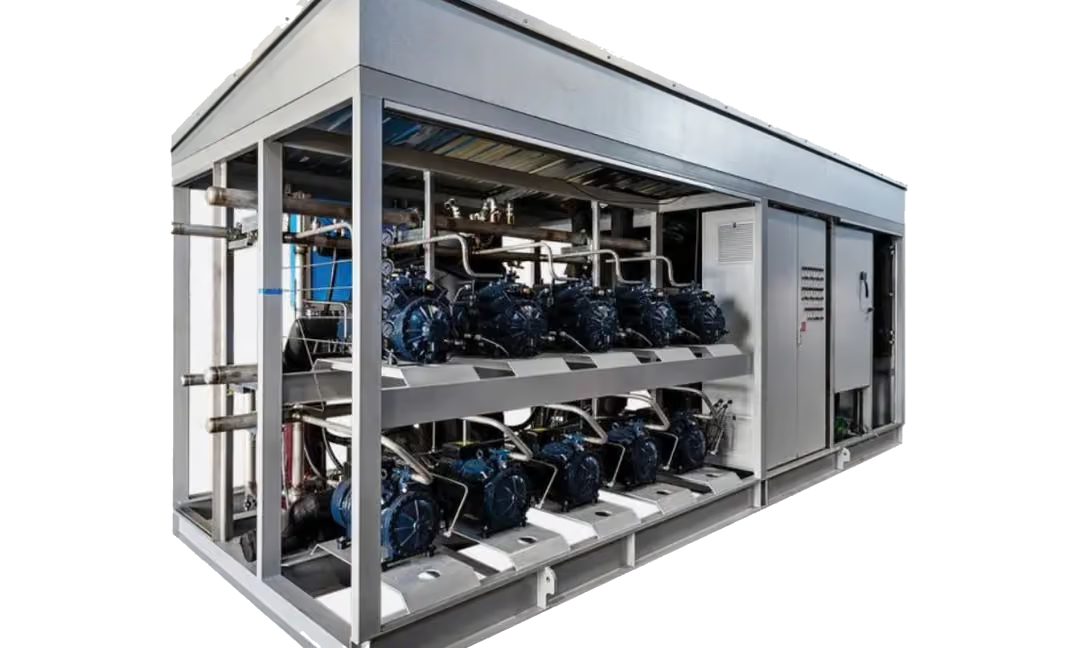
Change who funds the cooling asset
Under the conventional model, the developer funds the cooling plant, owns the equipment and carries long-term responsibility for performance, maintenance and residual value.
Under Monashee's model, those responsibilities move to the cooling infrastructure provider.
Put capital where it matters most
Cooling is essential, but it competes for capital with compute, power and electrical infrastructure. Monashee substitutes infrastructure capital for customer capital so developers can concentrate their resources on the assets most central to their business model.
Cooling should not delay energization
Long chiller lead times can become a critical-path constraint. Monashee's standardized architecture reduces project-specific engineering, and long-lead components can be secured in advance to support project delivery schedules.
Contracted cooling performance
Cooling-as-a-Service is backed by contractual performance obligations. The service agreement defines the cooling capacity Monashee must provide, system availability requirements and the remedies that apply if agreed performance obligations are not met.
Cooling capacity
Contracted thermal capacity is available when required.
System availability
Minimum uptime and availability requirements are defined contractually.
Thermal performance
Agreed operating conditions and temperature requirements are specified.
Response
Service and repair response obligations are established in advance.
Financial remedies
Contractual remedies apply when defined service obligations are missed.
Long-term responsibility sits with Monashee
Monashee remains responsible for the cooling asset after commissioning. The operating model covers monitoring, preventive maintenance, corrective repairs, spare parts, major component replacement and applicable refrigerant and equipment compliance.
Continuous operating oversight supports performance and early issue detection.
Preventive and corrective service is coordinated throughout the contract term.
Monashee carries responsibility for major equipment repair and replacement.
Upgrades and capacity changes are available by agreement as customer requirements change.
Monashee considers projects of any scale. Our focus is mid-scale developments, where cooling capital and schedule most directly shape project economics, rather than gigawatt-scale campuses.
Service agreements are typically 10 years. Shorter terms are considered where project economics support them.
Monashee owns the cooling infrastructure throughout the service term, through a dedicated project-level structure.
End-of-term options, such as extending the service or a defined buyout, are set out in the service agreement.
The platform supports air, direct-to-chip and immersion cooling environments.
Yes. Systems can be purchased directly from our OEM platform partner, with long-term service support available. Cooling-as-a-Service remains Monashee's primary model.
Mission-critical cooling infrastructure, developed, financed, owned and operated.
Cooling-as-a-Service
Cooling capacity without funding the plant yourself
Monashee develops, finances, owns and operates the cooling infrastructure. The customer contracts for cooling capacity under a long-term service agreement rather than funding and managing the cooling plant directly.
Change who funds the cooling asset
Under the conventional model, the developer funds the cooling plant, owns the equipment and carries long-term responsibility for performance, maintenance and residual value.
Under Monashee's model, those responsibilities move to the cooling infrastructure provider.
Put capital where it matters most
Cooling is essential, but it competes for capital with compute, power and electrical infrastructure. Monashee substitutes infrastructure capital for customer capital so developers can concentrate their resources on the assets most central to their business model.
Cooling should not delay energization
Long chiller lead times can become a critical-path constraint. Monashee's standardized architecture reduces project-specific engineering, and long-lead components can be secured in advance to support project delivery schedules.
Contracted cooling performance
Cooling-as-a-Service is backed by contractual performance obligations. The service agreement defines the cooling capacity Monashee must provide, system availability requirements and the remedies that apply if agreed performance obligations are not met.
Cooling capacity
Contracted thermal capacity is available when required.
System availability
Minimum uptime and availability requirements are defined contractually.
Thermal performance
Agreed operating conditions and temperature requirements are specified.
Response
Service and repair response obligations are established in advance.
Financial remedies
Contractual remedies apply when defined service obligations are missed.
Long-term responsibility sits with Monashee
Monashee remains responsible for the cooling asset after commissioning. The operating model covers monitoring, preventive maintenance, corrective repairs, spare parts, major component replacement and applicable refrigerant and equipment compliance.
Continuous operating oversight supports performance and early issue detection.
Preventive and corrective service is coordinated throughout the contract term.
Monashee carries responsibility for major equipment repair and replacement.
Upgrades and capacity changes are available by agreement as customer requirements change.
Common questions
Monashee considers projects of any scale. Our focus is mid-scale developments, where cooling capital and schedule most directly shape project economics, rather than gigawatt-scale campuses.
Mission-critical cooling infrastructure, developed, financed, owned and operated.